cross breeding chickens chart pdf
Crossbreeding chickens is a strategic approach to enhance poultry production. It focuses on improving genetic qualities, alongside optimal feeding and housing conditions, to boost overall hen breeding output and achieve superior traits efficiently for commercial purposes.
Defining Crossbreeding Objectives in Poultry
Defining crossbreeding objectives in poultry is paramount for successful genetic improvement programs. The primary goal is to strategically enhance the genetic qualities of chickens, thereby increasing overall hen breeding production. This involves a clear focus on specific desirable traits that contribute to economic viability and sustainability within the poultry industry. Key objectives often include boosting egg production, aiming for higher yields and improved quality of eggs. Furthermore, enhancing the reproductive performance of hens is a critical objective, ensuring robust fertility and hatchability rates. Crossbreeding also seeks to increase the overall efficiency of breeding operations, which can encompass better feed conversion ratios, disease resistance, and adaptability to various environmental conditions. By meticulously defining these objectives, breeders can leverage genetic diversity and the study of gene polymorphisms to create superior animal resource populations. This targeted approach allows for the development of breeding programs that systematically improve desired traits, moving beyond general improvements to specific, measurable enhancements in performance and productivity across different chicken crosses. The deliberate definition of these goals underpins all subsequent breeding strategies.
Overview of Genetic Improvement in Hen Breeding
Genetic improvement in hen breeding is a cornerstone for significantly increasing overall production. This enhancement primarily stems from meticulously improving the intrinsic genetic qualities of chickens, which must be synergistically supported by optimized feeding and housing conditions. A pivotal strategy in this endeavor involves the systematic creation of animal resource populations. These carefully established populations serve as an indispensable and highly convenient tool for researchers and breeders alike. They are instrumental in facilitating an in-depth study of the vast genetic diversity inherent within poultry species. By thoroughly understanding and strategically leveraging this genetic diversity, breeders can dramatically increase the efficiency and precision of their breeding programs. This systematic approach ensures that highly desirable characteristics, such as superior egg yield, enhanced egg quality, or improved reproductive performance, are consistently identified, selected, and passed down through successive generations. Such targeted genetic advancements are absolutely fundamental to achieving sustainable, robust, and economically profitable hen breeding outcomes. The continuous focus remains on refining genetic potential, making each subsequent generation progressively more productive and resilient, thereby contributing significantly to the modern poultry industry’s demands for efficiency and output in a structured manner.
Genetic Basis for Crossbreeding Charts
Understanding the genetic basis, including diversity within resource populations and key gene polymorphisms, is crucial for developing effective crossbreeding charts. This foundation allows breeders to predict and manage trait inheritance, optimizing breeding strategies for desired outcomes in poultry production.
Studying Genetic Diversity in Animal Resource Populations
The study of genetic diversity within animal resource populations is a vital component for advancing modern poultry breeding. As stated by AN Vetokh in 2024, creating these populations is an effective tool for examining genetic variation, significantly enhancing breeding efficiency, and ensuring crucial conservation efforts for future generations. By analyzing the genetic makeup across different chicken breeds and lines, breeders can identify unique markers and highly desirable traits. This understanding is crucial for optimizing selection processes and accurately predicting offspring performance in crossbreeding programs. Such assessments help maintain robust genetic pools, prevent inbreeding depression, and improve overall flock resilience and adaptability to various environmental conditions; Leveraging this inherent diversity directly supports more efficient breeding outcomes for specific production targets. This systematic approach forms the foundation for developing precise crossbreeding charts, guiding the selection of parent stock to maximize hybrid vigor and achieve specific production goals consistently.
Polymorphisms of Genes for Production Traits
Polymorphisms of genes refer to variations in DNA sequences that influence specific production traits in chickens. These genetic differences are critical for understanding the molecular basis of desired characteristics, forming a crucial foundation for effective breeding. As highlighted by JG Ananikov in 2024, data indicates that polymorphisms of certain genes are highly promising for use in advanced breeding programs. Their utility specifically targets improvements in egg production and overall reproductive performance. By identifying and analyzing these distinct genetic markers, breeders can make more informed and precise decisions when selecting parent stock for crossbreeding. This molecular approach allows for targeted selection, moving beyond solely observable traits to a more accurate genetic level. Understanding these polymorphisms empowers the development of chickens with superior genetic potential for higher egg yields, improved fertility, and better hatchability. Such detailed genetic insight is fundamental for creating effective crossbreeding charts, which meticulously guide the optimal combination of breeds. This ensures the achievement of specific, predictable improvements in economically important traits, thereby streamlining breeding efforts and fostering more efficient, productive poultry populations.
Reference Genes in Molecular Biology for Assessment
Reference genes are indispensable tools in molecular biology, particularly when assessing gene expression levels in poultry, as highlighted in current research. Their primary function is to serve as internal controls, providing a stable baseline against which the expression of target genes can be accurately measured and compared. This stability is crucial because the expression of reference genes, often referred to as housekeeping genes, is generally unaffected by experimental conditions, tissue types, or developmental stages. In the context of chicken crossbreeding, precise quantification of gene expression is vital for understanding the genetic mechanisms underlying production traits like egg yield, growth rate, or disease resistance. By utilizing validated reference genes, researchers can ensure the reliability and reproducibility of their gene expression data, which in turn informs genetic selection decisions. Accurate assessment of gene expression patterns helps breeders identify genetic markers linked to desirable traits and evaluate the success of different crossbreeding strategies at a molecular level. This robust molecular information contributes significantly to the scientific rigor behind developing effective crossbreeding charts, enabling more targeted and efficient genetic improvement programs in chicken production. The proper selection and validation of these reference genes are therefore paramount for reliable biological conclusions and advancing poultry genetics.
Crossbreeding Strategies for Enhanced Egg Productivity
Crossbreeding strategies are vital for enhancing egg productivity in hens. Research assesses egg productivity and physical parameters of different chicken crosses. Polymorphisms of key genes are promising for breeding programs to improve egg production and reproductive performance, driving genetic improvements.
Assessing Egg Productivity of Different Chicken Crosses
The core objective of research in poultry science involves assessing the egg productivity and physical, morphological parameters of chicken eggs from various crosses throughout their productive cycle. This comprehensive evaluation is paramount for identifying superior genetic combinations that significantly enhance overall hen breeding production. Data collection includes meticulous measurements of egg number, weight, shell integrity, and internal composition, which are crucial indicators of quality and yield. Furthermore, genetic studies reveal that polymorphisms in specific genes hold substantial promise for integration into advanced breeding programs. These genetic markers are vital for improving not only the quantity of egg production but also the reproductive performance of the crossbred hens. Leveraging the creation of diverse animal resource populations serves as an invaluable tool for studying genetic diversity, thereby increasing the efficiency of targeted breeding efforts. By thoroughly analyzing these genetic variations, breeders can strategically select and propagate crosses exhibiting desirable traits for enhanced egg laying capabilities. This systematic approach ensures that genetic quality improvements directly translate into tangible benefits, ultimately guiding the development of robust crossbreeding strategies. Such rigorous assessment optimizes productivity, contributing to sustainable and profitable poultry farming.
Physical and Morphological Parameters of Crossbred Eggs
Research meticulously assesses the physical and morphological parameters of chicken eggs from various crosses throughout their productive cycle. This evaluation reveals how genetic combinations influence intrinsic egg quality and market appeal. Key external traits include egg weight, shell thickness, strength, and color, directly affecting consumer preference and handling resilience. Internally, albumen height, yolk color, and chalazae integrity are critically assessed. These internal parameters indicate freshness, nutritional value, and suitability for various applications. Analyzing these traits helps breeders identify crossbred lines consistently producing eggs that meet high industry standards. Such systematic assessment ensures genetic advancements enhance overall egg attributes, maximizing economic value for poultry producers. Detailed parameter studies are indispensable for optimizing breeding strategies, leading to superior egg characteristics and improved market competitiveness.
Improving Reproductive Performance in Crossbred Hens
Improving reproductive performance in crossbred hens is a cornerstone of efficient poultry production, directly impacting profitability. Genetic strategies, particularly involving the study of gene polymorphisms, offer promising avenues for advancement. Research indicates that specific polymorphisms of genes are highly valuable for integration into breeding programs aimed at enhancing both egg production and the overall reproductive capabilities of hens. By carefully selecting parent lines with desirable genetic markers, breeders can create crossbred progeny exhibiting superior fertility rates, increased hatchability, and improved persistency in laying. This targeted approach minimizes unproductive periods and maximizes the number of viable offspring; Crossbreeding leverages heterosis, or hybrid vigor, to combine beneficial traits from different breeds, leading to robust hens with enhanced physiological functions critical for reproduction. This includes better oviduct health, hormonal balance, and efficient egg formation processes. Furthermore, crossbred hens often demonstrate improved resistance to reproductive disorders and environmental stressors, which can otherwise compromise their laying cycles and fertility. The meticulous identification and utilization of these genetic markers allow for the development of breeding charts that guide the strategic pairing of breeds. Consequently, optimized crossbreeding programs lead to more fertile flocks, higher chick yields, and ultimately, greater economic returns for producers, solidifying the importance of genetic insights in modern poultry husbandry and sustainable production systems.
Crossbreeding for Broiler Chicken Efficiency and Health
Crossbreeding is essential for broiler chicken efficiency and health. Its purpose is to increase rearing efficiency and improve the physiological state of broiler chickens. This genetic strategy fosters robust, productive birds, optimizing performance.
Increasing Rearing Efficiency in Broiler Chickens
Crossbreeding plays a pivotal role in significantly increasing rearing efficiency in broiler chickens. By carefully selecting and mating different chicken breeds, breeders aim to combine desirable traits such as rapid growth rate, superior feed conversion ratios, and enhanced disease resistance into new crosses. This genetic improvement directly translates into broilers reaching market weight faster, consuming less feed per unit of gain, and experiencing lower mortality rates during the rearing period. Such advancements are crucial for the economic viability of commercial broiler production. The strategic application of crossbreeding charts allows for predictable outcomes, enabling producers to select specific crosses known for their robust performance under various environmental conditions. Furthermore, while genetic potential is paramount, rearing efficiency can also be optimized through complementary strategies. Research highlights that practices, such as incorporating specific preparations like Carolin, can further augment the physiological state of broiler chickens, thereby contributing to even greater rearing efficiency alongside the inherent genetic advantages provided by crossbreeding. This holistic approach ensures that broilers not only possess superior genetic predispositions but also benefit from optimal nutritional and health management, leading to maximal productivity and reduced production costs. The ongoing pursuit of genetic diversity and targeted breeding remains central to continuous improvements in broiler rearing efficiency.
Physiological State Improvements in Broiler Crosses
Crossbreeding significantly improves the physiological state of broiler chickens, yielding healthier, more resilient birds. These advancements boost immune function, metabolic efficiency, and resistance to environmental stressors, crucial for optimal performance. Strategic crossbreeding develops birds with a stronger physiological foundation, reducing disease susceptibility and enhancing their ability to thrive in commercial settings, lowering morbidity and mortality. Furthermore, specific interventions optimize the physiological state. Research indicates that incorporating preparations like Carolin purposefully improves broiler chickens’ condition. This synergistic approach, combining superior crossbreeding genetics with targeted supplementation, optimizes internal systems for robust health and vitality. The goal is ensuring crossbred broilers maintain an excellent physiological condition throughout rearing. These improvements are vital for maximizing growth, feed conversion, and production efficiency, supporting the economic viability and sustainability of broiler farming operations.

Case Studies and Historical Perspectives in Crossbreeding
Examining historical initiatives, Euribrid’s founding in 1951 by Guus van den Eijnden marked a significant poultry breeding milestone. Additionally, Jeff Summers’ 2005 crossbreeding efforts led to the development of blue colored Serama chickens, showcasing specific genetic advancements.
The History and Development of Euribrid Poultry Breeding
Euribrid, a pivotal poultry breeding company, was founded in the Netherlands in 1951 by the visionary Guus van den Eijnden. This establishment occurred during a critical period demanding enhanced food production, particularly in the post-war agricultural landscape. Van den Eijnden’s foresight initiated a structured approach to genetic improvement within chicken populations, fundamentally aimed at boosting productivity and strengthening resilience. The company experienced rapid expansion, solidifying its position as a major contributor to the global poultry sector. Its growth trajectory was defined by an unwavering dedication to scientific inquiry and cutting-edge breeding methodologies. Euribrid meticulously developed superior chicken lines, focusing on desirable traits such as augmented egg output, accelerated broiler growth, and improved disease resistance. This rigorous selection and strategic crossbreeding framework significantly advanced commercial poultry farming. Through consistent innovation and diligent charting of genetic pedigrees, Euribrid profoundly influenced contemporary broiler and layer genetics, showcasing the transformative power of targeted breeding programs on agricultural efficiency and food security.
Specific Crosses: Blue Colored Serama Chicken Development
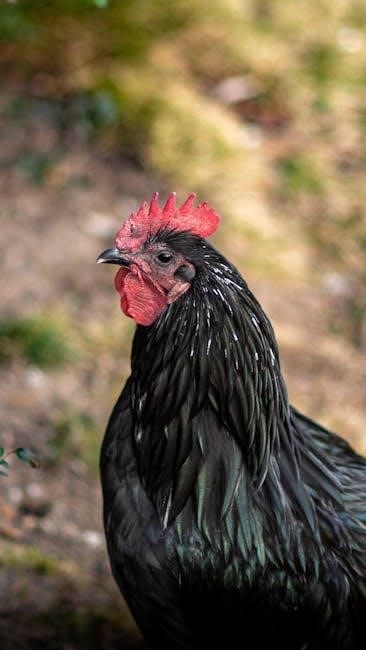
The development of blue colored Serama chickens exemplifies targeted crossbreeding within specialized poultry. In 2005, breeder Jeff Summers initiated a project, strategically crossing a Serama with another breed possessing the blue plumage gene. The goal was to introduce this distinctive coloration into the exceptionally small, upright, and docile Serama, celebrated for its unique aesthetic. A significant challenge involved integrating the new color while meticulously preserving the Serama’s cherished physical and morphological traits, including its compact size, upright tail, and elegant posture. Through careful, multi-generational selection, Summers and other dedicated breeders stabilized the blue trait, ensuring breed integrity. This focused endeavor underscores how documented crossbreeding efforts contribute substantially to diversifying existing breeds. Such projects offer novel appearances, enriching the genetic tapestry of specialized poultry, and demonstrate precise genetic management in achieving specific aesthetic and breeding objectives.
Developing and Utilizing Crossbreeding Charts (PDFs)
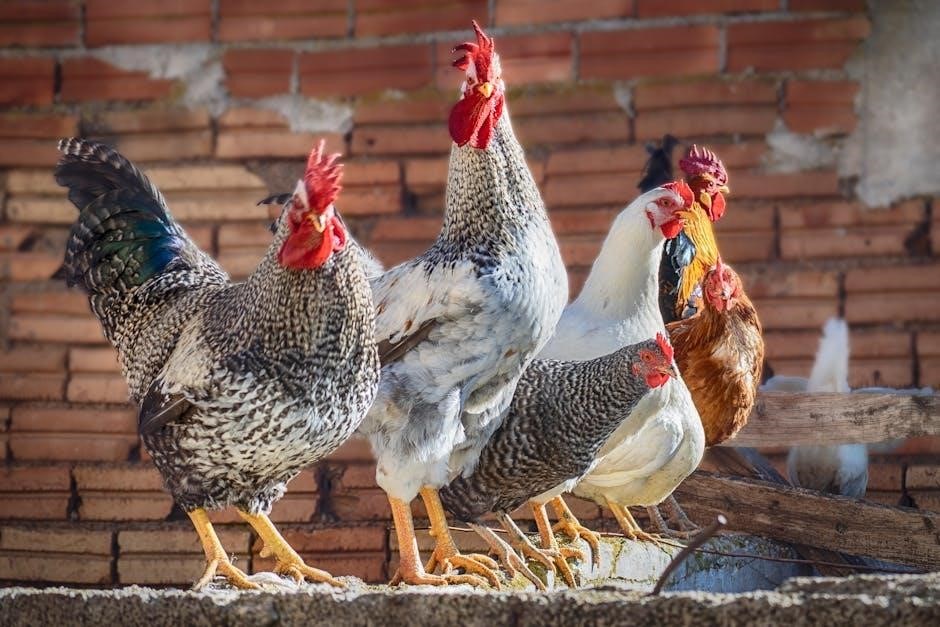
Crossbreeding charts, frequently available as PDF documents like “ChickenGeneticsSE,” are indispensable tools. They consolidate critical genetic information, enabling breeders to systematically track lineages and predict desired outcomes. These resources are vital for planning effective breeding programs to improve poultry production.
Essential Data Elements for Crossbreeding Charts
Crossbreeding charts, frequently presented as downloadable PDFs, are indispensable tools for effective poultry breeding, requiring specific data elements for optimal utility. A primary component involves comprehensive information on animal resource populations, critical for understanding genetic diversity and improving breeding efficiency. These charts must meticulously detail gene polymorphisms, especially those linked to production traits like egg yield and reproductive performance, as identified by researchers such as JG Ananikov in 2024. Furthermore, the inclusion of reference genes, as highlighted in molecular biology studies, is essential for accurately assessing gene expression levels and genetic potential. Data on physical and morphological parameters of various chicken crosses and their eggs, along with records of rearing efficiency and physiological states in broilers, are also crucial. This structured compilation of genetic markers, phenotypic expressions, and performance metrics enables breeders to make informed decisions, predict outcomes, and effectively enhance genetic qualities for increased hen breeding production.

Practical Application of Crossbreeding Charts in Breeding Programs
The practical application of crossbreeding charts in poultry breeding programs is fundamental for achieving targeted genetic improvements and optimizing production outcomes. These invaluable downloadable resources, often in PDF format, serve as critical guides for breeders. By utilizing data on animal resource populations, charts enable the systematic study of genetic diversity, directly informing strategic mating decisions for increased breeding efficiency. Specifically, the identified polymorphisms of genes related to egg production and reproductive performance, as highlighted by researchers, are directly applied to select optimal parent lines. This allows for the precise improvement of desired traits. Breeders use these charts to rigorously assess egg productivity and physical and morphological parameters of different chicken crosses, ensuring selection for superior characteristics. Furthermore, the charts aid in developing strategies to increase rearing efficiency and enhance the physiological state of broiler chickens, potentially integrating interventions like preparation Carolin. Ultimately, crossbreeding charts translate complex genetic information into actionable plans, supporting informed decision-making to boost overall hen breeding production by improving genetic qualities and reproductive performance across various crosses.